Slanthole Collimators
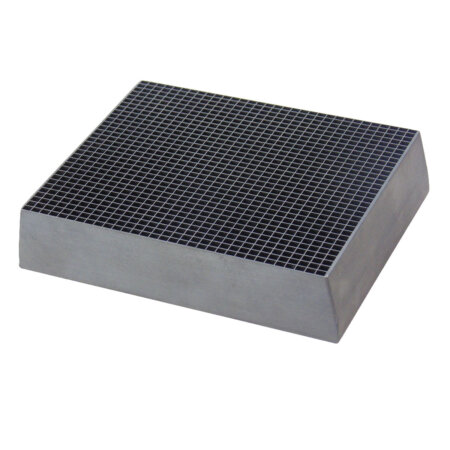
Slanthole collimators for cardiac SPECT and stationary imaging systems. Angled hole geometry provides multiple view angles without gantry rotation. Improved sensitivity for myocardial perfusion imaging.
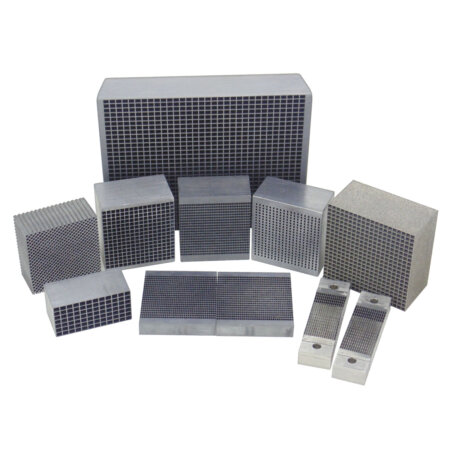
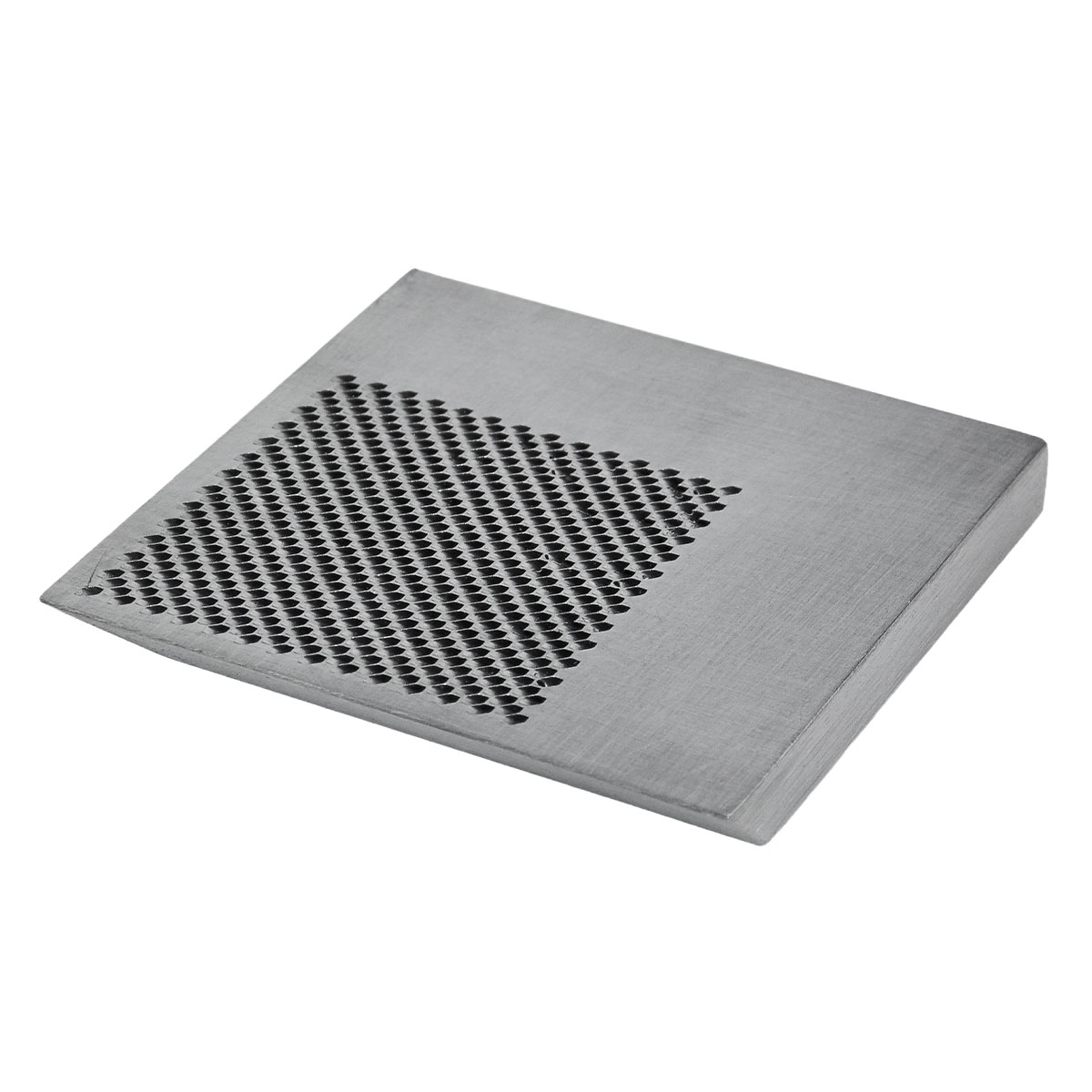
Slanthole collimators feature holes angled relative to the detector face rather than perpendicular, enabling unique imaging geometries that improve sensitivity and enable stationary SPECT acquisition. Nuclear Shields manufactures slanthole and segmented slanthole collimators for cardiac imaging and specialized SPECT applications.
Angled geometry for enhanced performance
Unlike parallel hole collimators where all holes point straight forward, slanthole collimators have holes tilted at a defined angle—typically 20° to 30° from perpendicular. This angulation provides several imaging advantages: The tilted viewing angle allows the collimator to “look around” intervening structures, potentially reducing attenuation artifacts in cardiac imaging where the heart lies behind ribs and soft tissue. More significantly, segmented slanthole designs with multiple differently-angled sections can acquire projection data from several view angles simultaneously, dramatically improving sensitivity compared to conventional rotating SPECT.
Product description
Segmented slanthole configurations
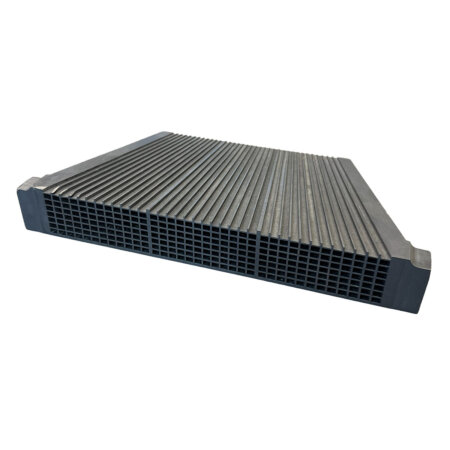
Modern slanthole SPECT systems typically use segmented collimators with multiple sections, each slanted at different angles to provide a range of projection views. A typical configuration might include seven segments per detector, with two L-shaped detectors acquiring 14 simultaneous view angles over 180°.
Nuclear Shields works with system developers to design and manufacture segmented slanthole collimators matched to specific detector geometries and imaging requirements
Contact usAdditional images
Product attachments
Login to see other downloads, otherwise contact us