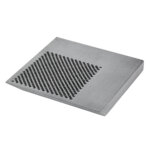
Parallel Hole Collimators
Parallel hole collimators for gamma cameras and SPECT systems. Low, medium, and high energy configurations. LEHR, LEAP, and general purpose designs for clinical nuclear medicine.
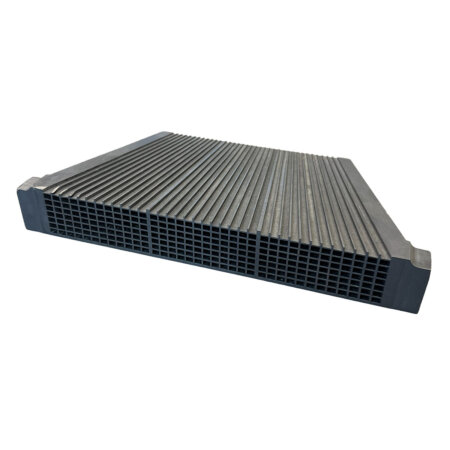
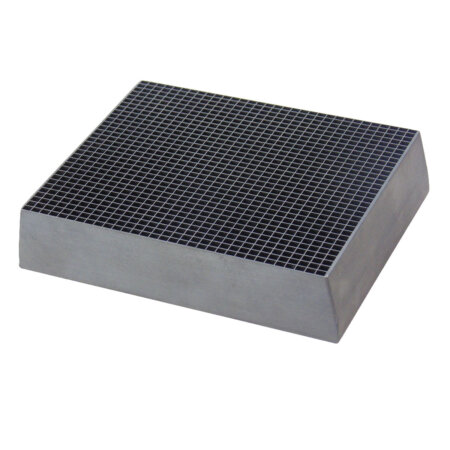
The parallel hole collimator is the most widely used collimator type in clinical nuclear medicine, providing versatile imaging performance for planar scintigraphy and SPECT acquisition. Nuclear Shields manufactures parallel hole collimators in configurations optimized for the full range of diagnostic radioisotopes and clinical applications.
How parallel hole collimation works
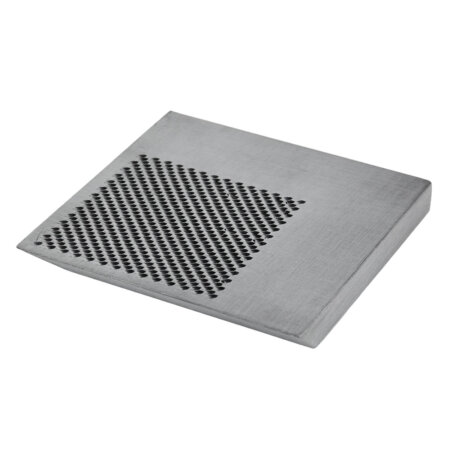
In a parallel hole collimator, thousands of closely packed holes extend perpendicular to the detector face, with each hole aligned parallel to its neighbors. Only gamma photons traveling approximately perpendicular to the detector surface can pass through the holes. Photons arriving at angles are absorbed by the lead septa separating the holes. This geometry produces a one-to-one relationship between object and image size. Unlike pinhole or converging collimators, parallel hole designs neither magnify nor minify the image, simplifying interpretation and quantification. The field of view remains constant regardless of source-to-collimator distance.
Product description
Precision manufacturing of lead collimators
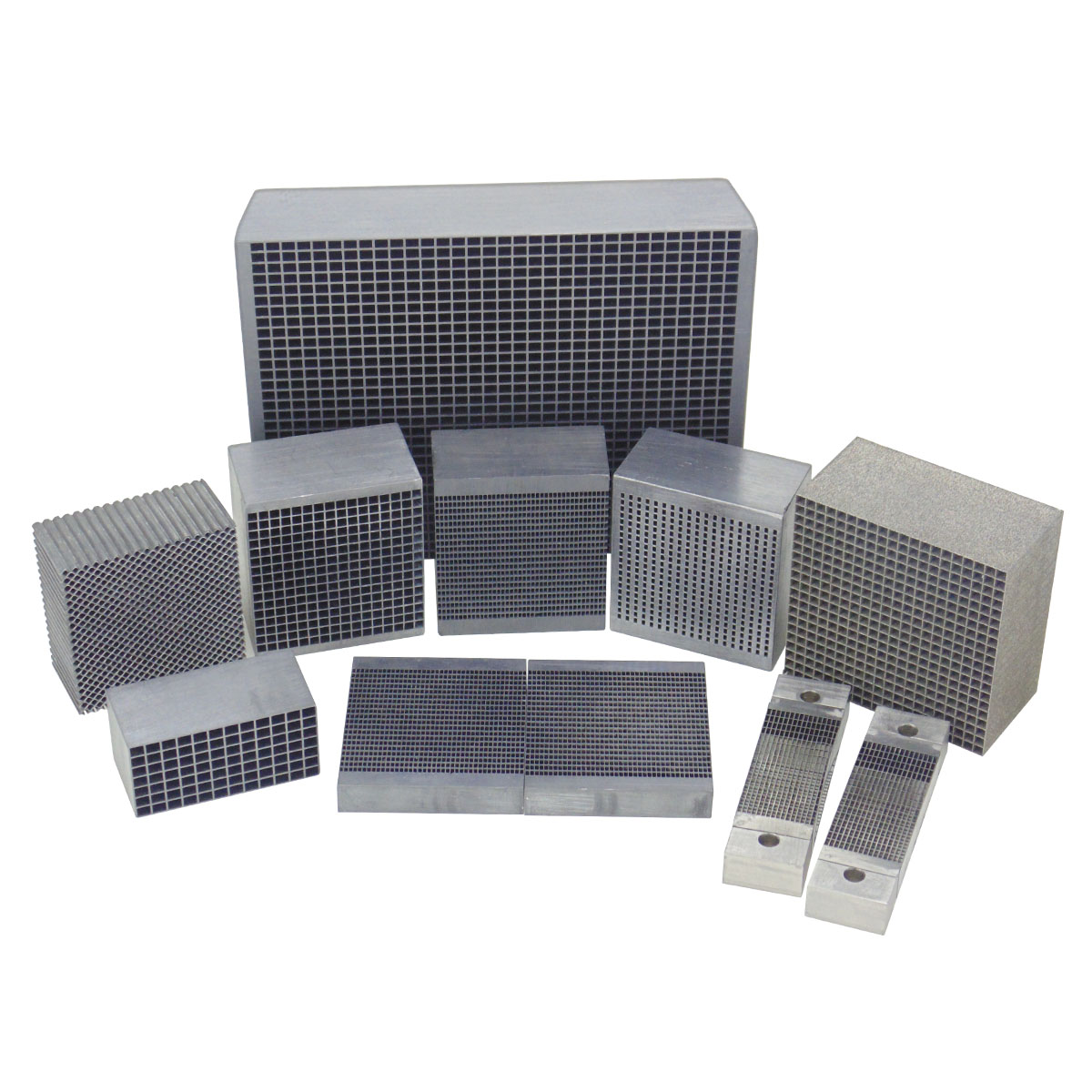
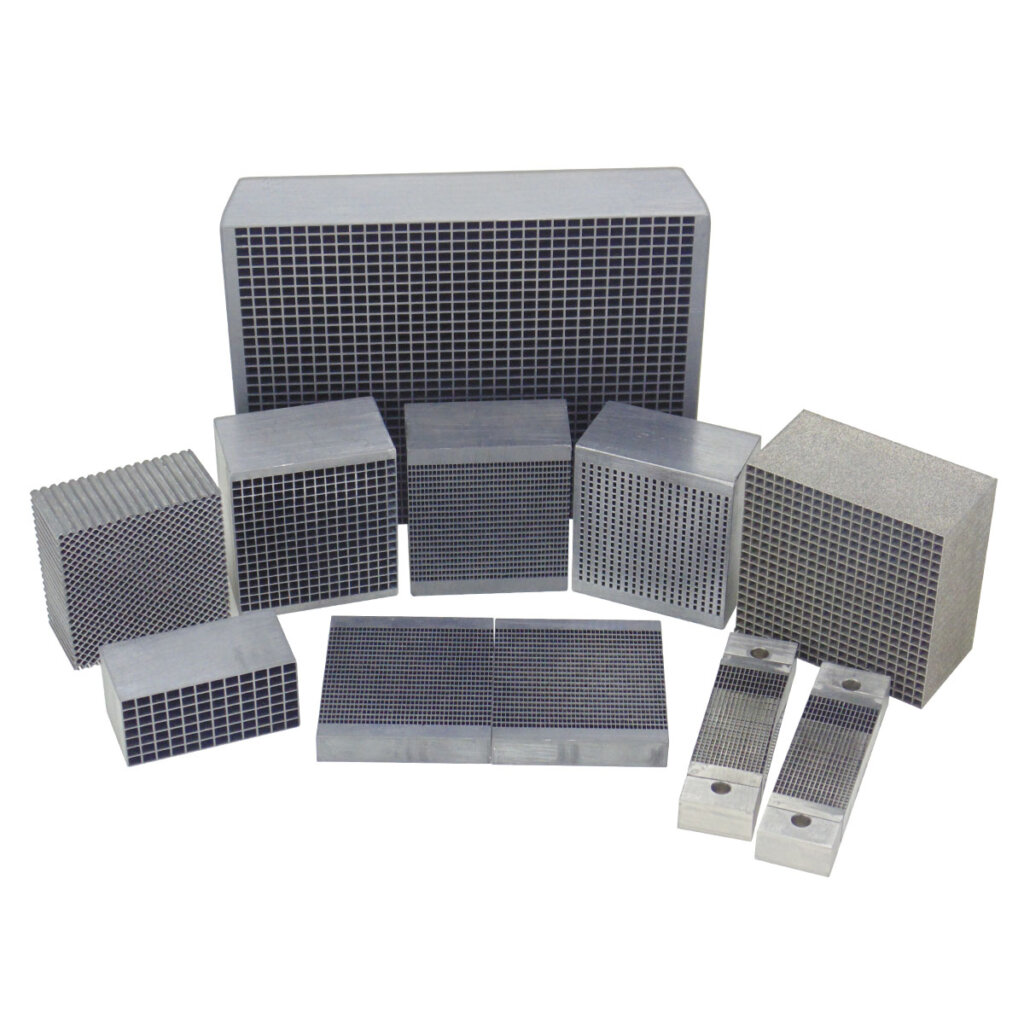
Nuclear Shields produces parallel hole collimators using cast and foil construction methods. Cast collimators offer excellent hole uniformity and are cost-effective for standard configurations. Foil collimators provide superior septal integrity with no gaps between hole walls, delivering improved image contrast in demanding applications.
Contact usAdditional images
Product attachments
Login to see other downloads, otherwise contact us